Mining machinery operates in extreme conditions. Because of this, your mining radiator must be able to handle heat, dust and nonstop use.
That’s why we’re breaking down the most common reasons why your mining equipment radiator fails, and what you can do to prevent costly downtime.
This Post Covers
- What types of mining equipment relies on radiators?
- Why do radiators fail in mining equipment?
- What types of mines rely on radiator repairs?
- What are the signs your mining rad is about to fail?
- What happens if I ignore a failing mining radiator?
- How can I prevent my mining radiator from corroding?
- What to do if I notice my mining radiator failing?
- Heavy-duty Radiator Repairs for Mines Across Canada
- Learn More About Our Past Mining Repair & Rebuild Jobs
What types of mining equipment relies on radiators?
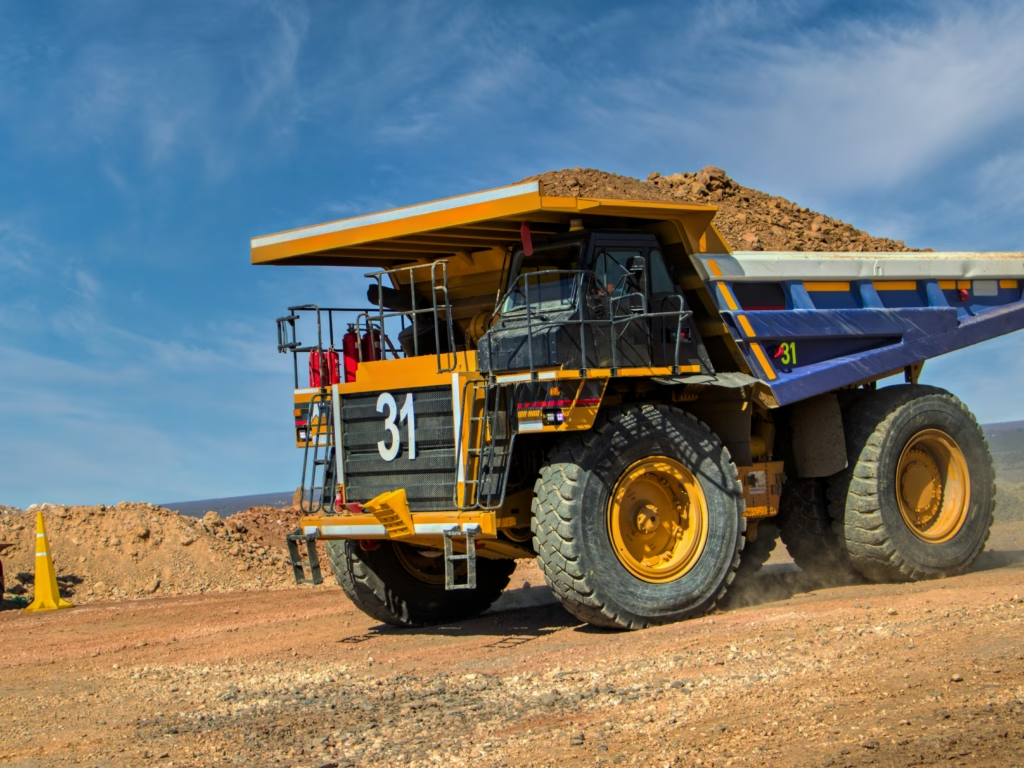
Many types of mining equipment depend on industrial radiators.
Without proper industrial cooling systems, machines overheat fast. As a result, failures can happen sooner.
Mining equipment that relies on mining radiators includes:
- Haul trucks
- Loaders
- Diggers
- Drilling equipment
- Generators
- Light towers
These machines work hard, often in tough conditions. Because of this, they produce a lot of heat. Heavy equipment radiators remove that heat and keep everything running smoothly.
In other words, if your mining radiator fails, your whole machine is at risk.
Why do radiators fail in mining equipment?
There are a few main reasons that mining extremes can negatively affect your mining heat exchanger:
1. Dust and Debris
Mining sites are full of dust. Over time, this dust clogs radiator fins. As a result, airflow is restricted and cooling drops.
2. Extreme Heat
Mining equipment operates with heavy loads. Because of this, temperatures rise fast. If cooling abilities are reduced, overheating becomes unavoidable.
3. Corrosion
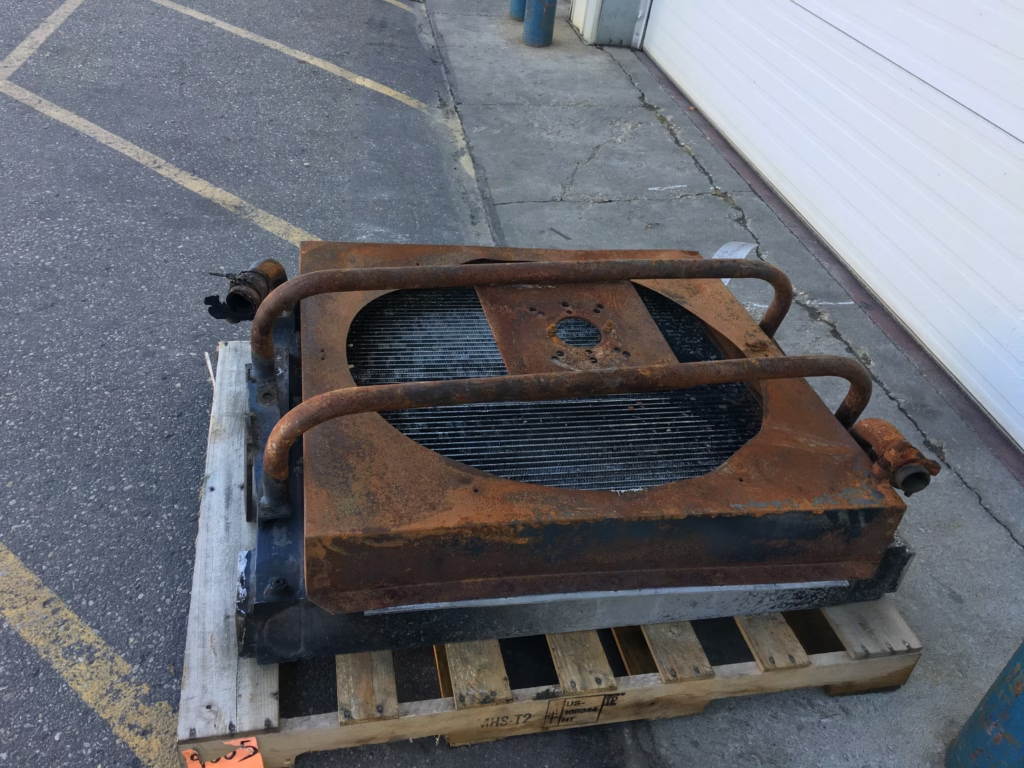
Moisture, chemicals, and road salt cause corrosion. Over time, this weakens radiator components. And eventually, cracks and leaks form.
What types of mines rely on radiator repairs?
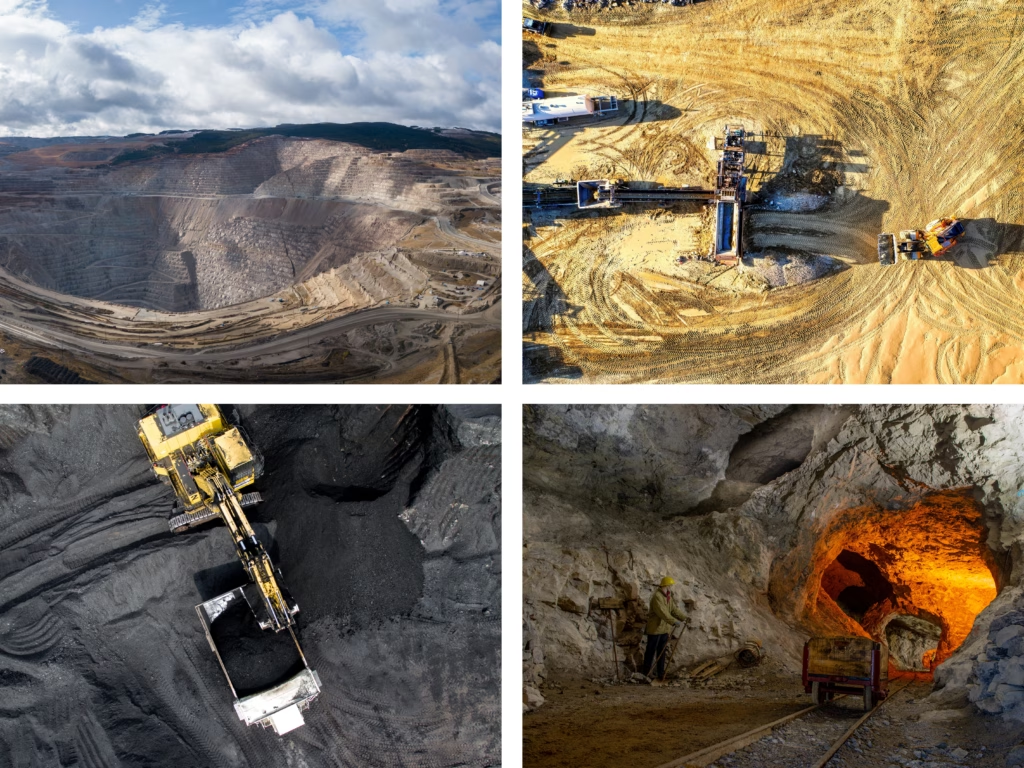
Different mining environments create different cooling challenges. However, all rely on properly working heavy equipment radiators.
Now, let’s break down how different types of mines impact radiator performance:
Potash Mines
Potash mines are consistently dusty, which means radiators in potash mining equipment are at risk for getting clogged quickly. Without proper maintenance, dust can reduce your potash mining heat exchanger’s efficiency and cause your machine to overheat.
Open Pit Mines
Whether you’re mining iron, copper or uranium, open pit mining exposes equipment to extreme dirt and weather. As a result, open pit mining radiators face constant debris and temperature swings.
Coal Mines
Coal mining equipment faces around the clock vibrations. The constant vibrating means coal mining radiators can face rapid damage if the heat exchanger isn’t built to handle it.
Aluminum Mines
Aluminum operations involve high heat. As a result, aluminum mining radiators must work harder to maintain safe temperatures.
Gold Mines
Gold mining environments can get hot quickly. Because of this, reliable gold mining radiator performance is critical to avoid downtime.
What are the signs your mining rad is about to fail?

There are a few signs that your radiator is about to fail.
Here’s what to look out for:
Reduced heat exchanger performance
Restricted airflow and clogged fins from mining dust and debris can worsen your cooling system, causing your machine to overheat.
Visible damage
Corroded/plugged fins and visible cracks in your mining radiator is a telltale sign that your heat exchanger is damaged and close to failure.
Leaks and coolant issues
Coolant leaks or discoloration could mean there’s internal damage. If ignored, small leaks can turn into major failures and costly downtime.
At any of our three locations in Winnipeg, Saskatoon and Estevan, we can repair your damaged radiator.
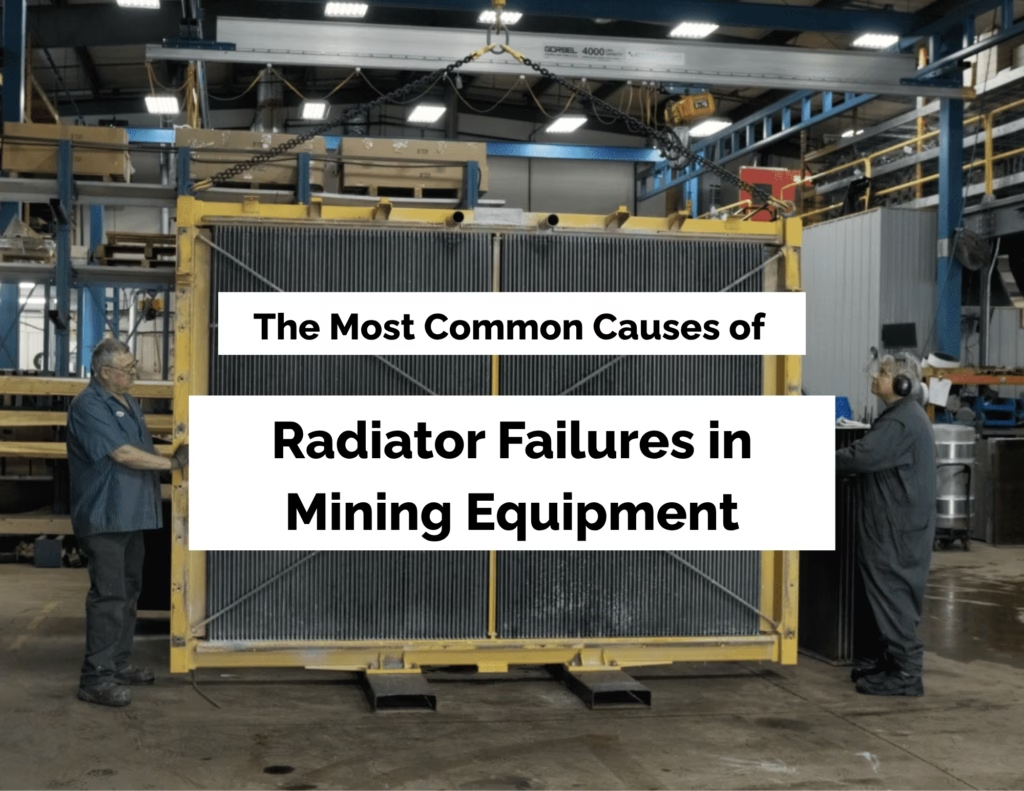
Additionally, at all of our shops we have overhead cranes that allow us to easily lift thousand pound heavy equipment radiators. Therefore, we can easily replace tubes & seals, weld leaks and recore as needed.
What happens if I ignore a failing mining radiator?
Ignoring a failing radiator in your mining machinery can be fatal for your machine’s engine.
Why?
Because the radiator is responsible for keeping the engine at a safe operating temperature. When it starts to fail, heat has nowhere to go.
That heat builds quickly. And in mining environments, equipment is already working under extreme loads in harsh environments.
What starts as a small industrial radiator issue can quickly turn into a major, costly repair, or even full equipment downtime.
So how can you prevent these radiator issues?
How can I prevent my mining radiator from corroding?

While you can’t change the environment your equipment is operating in, there are some things you can do to help prevent your heavy-duty radiator from failing:
1. Regular cleaning
Since mining radiators are so susceptible to getting clogged with dirt and debris, regularly cleaning out your radiator will help it stay unclogged and work better.
2. Use corrosion-resistant materials
Ensure that your heavy-duty heat exchanger is a corrosion-resistant metal like copper-brass.
In addition to being corrosion-resistant, copper-brass heat exchangers don’t rust. Instead of rusting, copper-brass can develop a protective “copper oxide” that acts as a barrier against corrosion.
Aluminum radiators also create a protective “aluminum oxide” layer. However, aluminum oxide is less durable than copper oxide.
3. Regularly inspect your heat exchanger for leaks
Catch cracks and leaks early to save thousands in potential heat exchanger replacement or repairs.
When caught early, we can patch cracks in your mining heat exchanger for a fraction of the cost of recoring or replacing your mining machine’s rad, which can cost thousands of dollars depending on the size of the part.
What to do if I notice my mining radiator failing?

If you suspect that your mining heat exchanger is failing, it’s best to bring it to one of our three locations in Winnipeg, Saskatoon or Estevan for inspection.
Additionally, you can also ship your heavy-duty heat exchangers to our locations from anywhere across Canada.
However, just because your mining radiator has damage, it doesn’t necessarily mean you have to get it replaced.
Often, we can repair or rebuild your damaged industrial radiator. This can save you money, while ensuring your heavy-duty heat exchanger is able to reach its maximum performance.
Heavy-duty Radiator Repairs for Mines Across Canada

We’re proud to service a variety of mining heat exchanger OEMs such as MESABI, Cummins, Cat, Detroit, Onan, Perkins, Doosan and more.
No matter what kind of mine your equipment operates in, our team provides expert heat exchanger repairs and heavy-duty cooling system maintenance to keep your machinery ready for the most extreme environments.
Questions about how we can service your Canadian mining rad? Contact our team with these numbers and tell us more about your mining cooling system:
Toll-free: 1-877-RAD-CORE (723-2673)
Winnipeg: 1-204-633-5648
Estevan: 1-306-634-2055
Saskatoon: 1-306-934-7005
Learn More About Our Past Mining Repair & Rebuild Jobs
Click on the images below to read about past repairs and rebuilds we’ve completed for mining equipment heat exchangers!