Some truck owners swear by it. Others claim it’s a waste of money. And at some point, you’ve probably heard the rumour: “DPF (diesel particulate filter) cleaning is just a scam.”
So, what’s the truth? And why does it matter for your engine?
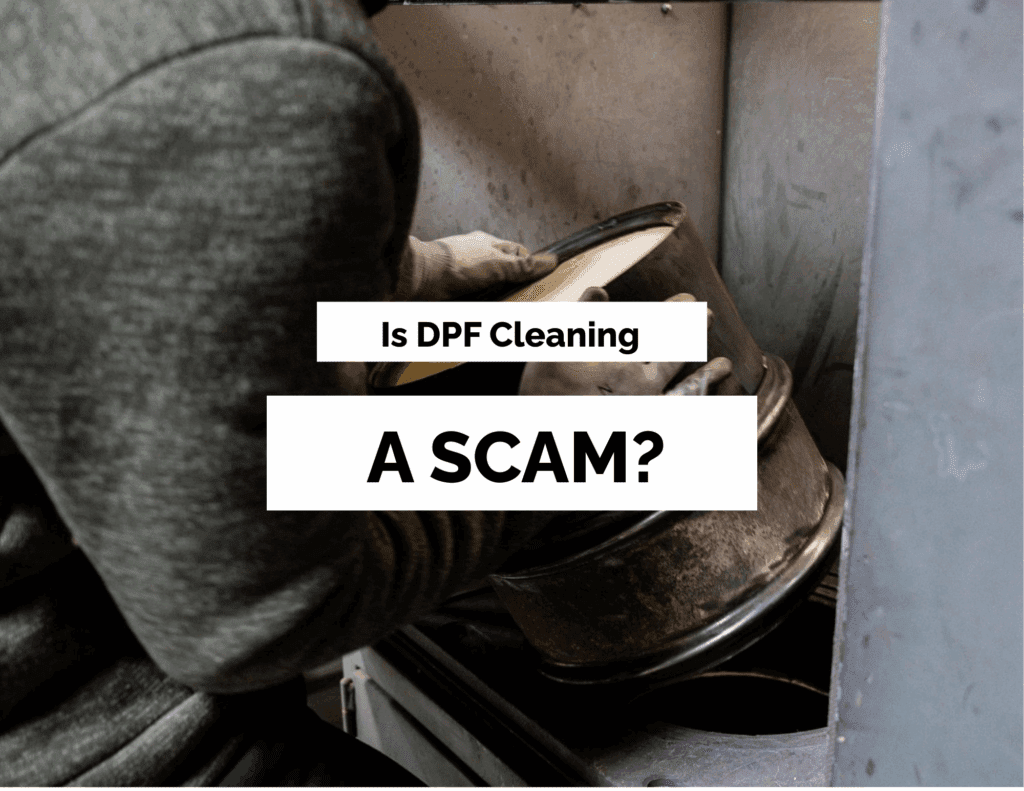
Recently, we posted a video about our DPF cleaning services. And we experienced first hand the controversy surrounding DPF cleaning!

Many commenters debated whether or not DPF cleaning was worth it, and why or why not they chose to get their DPFs cleaned.
That’s why we’re digging into DPF cleaning and figuring out if it’s really worth the cost or not.
This Post Covers:
- Are DPFs a scam?
- Why do diesel trucks need DPFs
- Do DPF systems actually work?
- What’s the difference between regeneration and a DPF cleaning?
- What are the signs of a clogged DPF?
- How can I prevent my DPF from getting clogged?
- Can a DPF be cleaned?
- Can I get my DOC/SCR/EGR cleaned?
- What happens if you ignore the DPF warning light?
- Is it better to clean or delete DPF?
- Is it illegal in Canada to remove your DPF from your truck?
- When do I need to clean my DPF?
- How do I properly remove my DPF filter from my truck?
- Is DPF cleaning expensive?
- What is the easiest way to clean a DPF?
- Top DPF cleaning service in Canada
Are DPFs a scam?
Over the years, a few common “myths” have spread about DPFs.
Let’s take a closer look at the most popular ones:
1. Myth: “DPFs hurt engine performance”
Truth: When a DPF is clogged, you may notice reduced engine performance. However, this isn’t an issue caused by the DPF, it’s a maintenance issue. A clean DPF actually extends the lifespan of your engine by preventing soot accumulation.
2. Myth: “DPFs are built to clog so you’re forced to buy new ones”
Truth: While DPFs do eventually fill with soot and ash that can’t be burned off by the ‘delete’ button, it’s just normal wear and tear. Here at West End Rad, we don’t want you to have to spend more money on buying a new filter. That’s why we offer DPF cleaning, which is a fraction of the price of buying new. A new DPF can cost upwards of $2,000! Where our advanced regeneration cleaning costs only a couple hundred (depending on filter).
3. Myth: “DPF cleaning is a scam and doesn’t actually work.”
Truth: Professional DPF cleaning restores DPFs to a near-new condition. DPF cleaning can save you from costly replacements, and ensure that your DPF lasts longer.
4. Myth: “You can use max millage to avoid DPF cleaning”
Truth: While max mileage burns off soot as you drive and keeps your engine clean between DPF maintenance, it’s not a complete replacement for getting your DPF cleaned. The only way to full deep clean your filter is to bring it in for a deep cleaning in a state-of-the-art machine.
5. Myth: “DPFs cause more pollution”
Truth: Because DPFs can get clogged and eventually need to get cleaned/regenerated, some believe that the pollution DPFs collect still ends up in our environment. However, this isn’t true. In fact, DPFs cut soot emissions by over 85% according to Transports Canada.
So all this to say, no DPF cleaning isn’t a “scam”.
But, like any other part of your diesel engine, a DPF just needs proper maintenance to do its job. And that job is an important one!
Which brings us to the next question: why do diesel engines need DPFs in the first place?
Why do diesel trucks need DPFs
A DPF is a crucial component of the emission control system in diesel engines.
It works alongside the diesel oxidation catalyst (DOC), the selective catalytic reduction (SCR) and the exhaust gas recirculation (EGR)….all filters that we can deep clean for you here at West End Rad.
Simply put, DPFs prevent harmful chemicals, like soot, from entering our atmosphere.
They also improve air quality for communities while extending the life of your engine by keeping buildup out of critical components.
Do DPF systems actually work?
Yes! DPFs capture and remove soot and particle matter from diesel engine exhaust.
Here’s a simple breakdown on how DPFs work:
First, diesel exhaust, containing soot and particle matter, enters the DPF.
Then, the gas passes through the diesel particle filter. This filter traps the solid soot particles, while allowing the gas to pass through it.
Finally, once the DPF’s sensor recognizes there’s too much soot in the filter, it triggers the regeneration process. Regeneration is when the excess soot in the filter is burned at a high temperature, turning it into ash.
But you may be thinking, if regeneration burns the soot, how does my filter get clogged? And why would I need to take it in for a “real cleaning”?
What’s the difference between regeneration and a DPF cleaning?
At West End Rad, we often get asked why DPF cleaning is necessary if regeneration turns the soot to ash.
There are a few differences between regeneration and getting your DPF professionally cleaned:
1. What they remove
Regeneration burns off excess soot and turns it into ash, but it can’t get rid of ash buildup. Over time, that ash restricts airflow and clogs the filter. Professional DPF cleaning removes both soot and ash.
2. How thorough it is
A “regen” is like a surface-level clean, meaning it will likely get dirty and clogged again quickly. While professional cleaning restores the filter closer to its original condition.
3. Long-term impact
Relying only on regeneration can shorten the lifespan of your DPF. Routine professional cleaning extends filter life and helps prevent a complete replacement, which can cost upwards of $2K!
What are the signs of a clogged DPF?
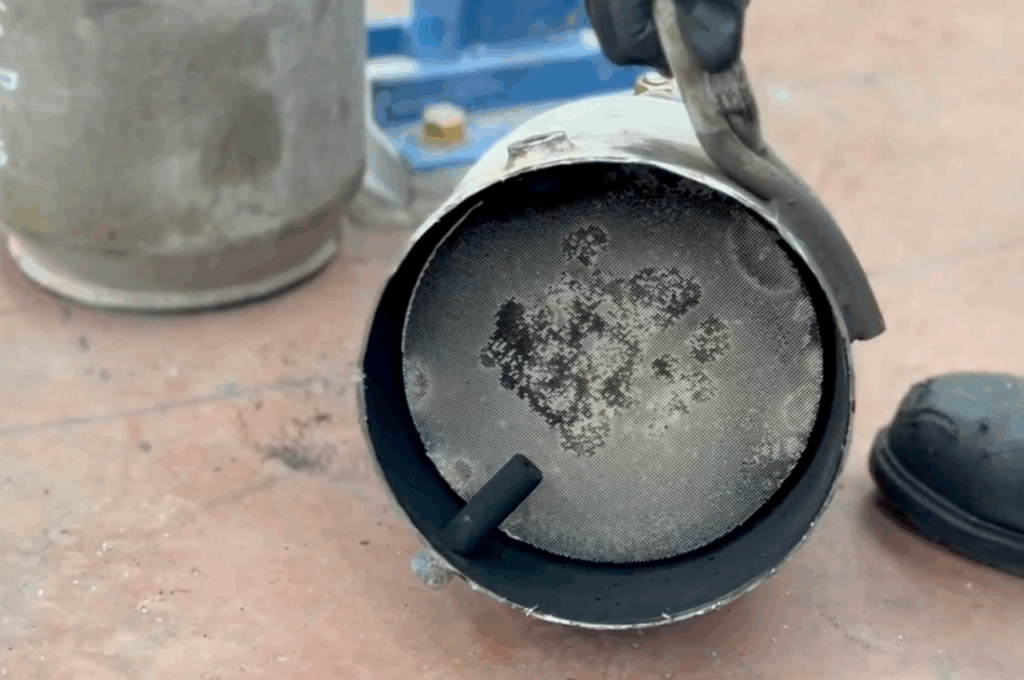
There are a few signs that your DPF may be clogged and needs a professional cleaning.
Watch out for:
- Loss of engine power
- Reduced fuel economy
- Excessive exhaust fumes
If you notice any of these symptoms, it’s time to get your filter checked out!
How can I prevent my DPF from getting clogged?
Now, you may be thinking “How can I prevent my DPF from getting clogged and needing to get cleaned?”
While DPFs will eventually get clogged regardless, there are some factors to be aware of that can cause clogging to happen faster than usual.
Short trips, stop-and-go driving or engine issues that prevent full regeneration can speed up clogging of the DPF filter.
Can a DPF be cleaned?
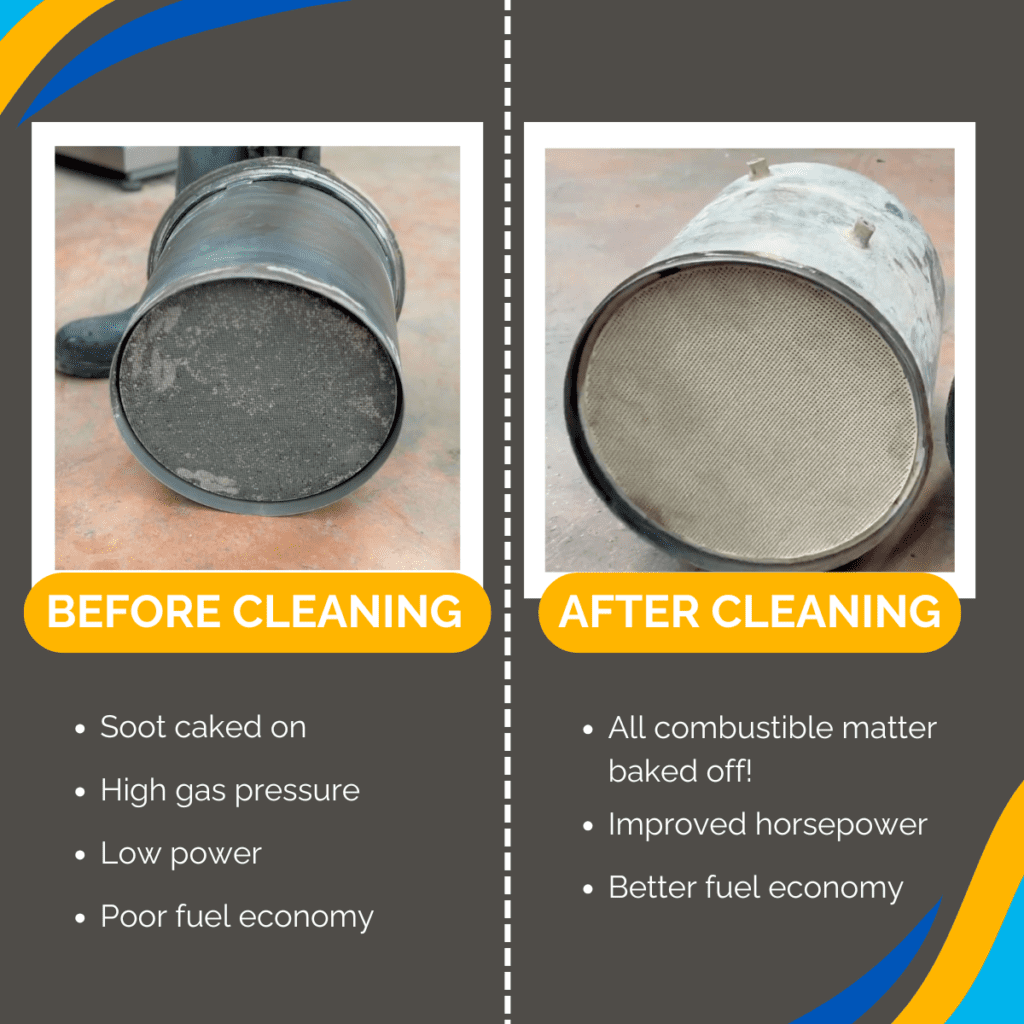
Yes!
While a DPF can clean itself and get rid of soot, it will need a professional cleaning to get rid of soot and ash that gets stuck during the regeneration process.
At West End Rad, we use a variety of industry-standard techniques, including flushing, baking and testing to clean DPFs.
We also provide a complimentary pressure drop reading before and after the cleaning. So you can see the difference for yourself!
Can I get my DOC/SCR/EGR cleaned?
Yes! At West End Rad we clean DPFs as well as DOCs, SCRs and EGRs.
Cleaning these filters is important for the same reasons as cleaning your DPF. These filters also prevent harmful emissions from entering our engines and our atmosphere.
And, cleaning them can help increase your engine power, prevent engine damage and boost your fuel economy.
What happens if you ignore the DPF warning light?
So what happens if you don’t clear your DPF?
Ignoring a clogged DPF can decrease your engine performance, increase your fuel consumption and damage your engine.
Is it better to clean or delete DPF?
Some people choose to delete their DPF for reasons such as lowering maintenance costs, improving fuel efficiency or boosting engine horsepower.
But this is really just a band-aid solution….
In fact, there can be major downsides to deleting your DPF, such as…
1. Reduced efficiency and performance
While some say a DPF delete improves power, the opposite is often true. Engines without proper filters can burn more fuel, leading to poor fuel economy and inconsistent performance.
2. Increased risk of engine damage
Without a DPF to capture harmful particulates, soot can build up inside the engine and exhaust system. Over time, this buildup can lead to premature wear, damage to engine components and costly repairs.
3. Loss of warranty coverage
If you delete your DPF, it’s likely your warranty will become invalid. Without coverage, even routine repairs or unexpected breakdowns can become much more expensive.
Deleting a DPF may seem like a quick solution, but the long-term risks and costs outweigh any short-term gains. That’s why at West End Rad, we recommend cleaning your DPF filter instead of removing it.
Is it illegal in Canada to remove your DPF from your truck?
Yes.
In Canada and the United States, it’s illegal to remove or “delete” your DPF filter from your diesel engine.
So, instead of risking costly fines and more downtime for your fleet, the smarter choice is to invest in professional DPF cleaning.
This protects your engine’s performance and saves you money on filter replacements.
Plus it won’t cost you more than a couple hundred dollars annually!
When do I need to clean my DPF?
You need to clean and maintain your DPF on a regular basis to operate at its best.
A number of factors determine cleaning intervals, including:
- Vehicle usage
- Road conditions
- Manufacturer recommendations.
However, it is generally recommended to get your DPF cleaned every 100,000 to 150,000 miles (160,000 to 240,000 kilometres).
Now it’s possible for some models of DPFs to last longer than 160,000 to 240,000 kilometres.
But you should never go beyond the recommended mileage (provided by your DPF manufacturer) in between cleanings.
Waiting too long to clean your filter puts you at risk for decreased engine performance and potential engine damage.
How do I properly remove my DPF filter from my truck?
Removing a DPF filter properly is vital to ensuring your engine isn’t damaged in the process.
You should only remove your DPF filter if you’re getting it cleaned.
To properly remove a DPF, it’s best to follow your manufacturer’s instructions.
Alternatively get a qualified technician to remove the filter.
Once you remove your filter from your truck, you can bring it to us at West End Rad to get it cleaned.
Not to mention, we offer complimentary pick-up and delivery services! So we’ll take care of transporting and cleaning your filter!
Is DPF cleaning expensive?
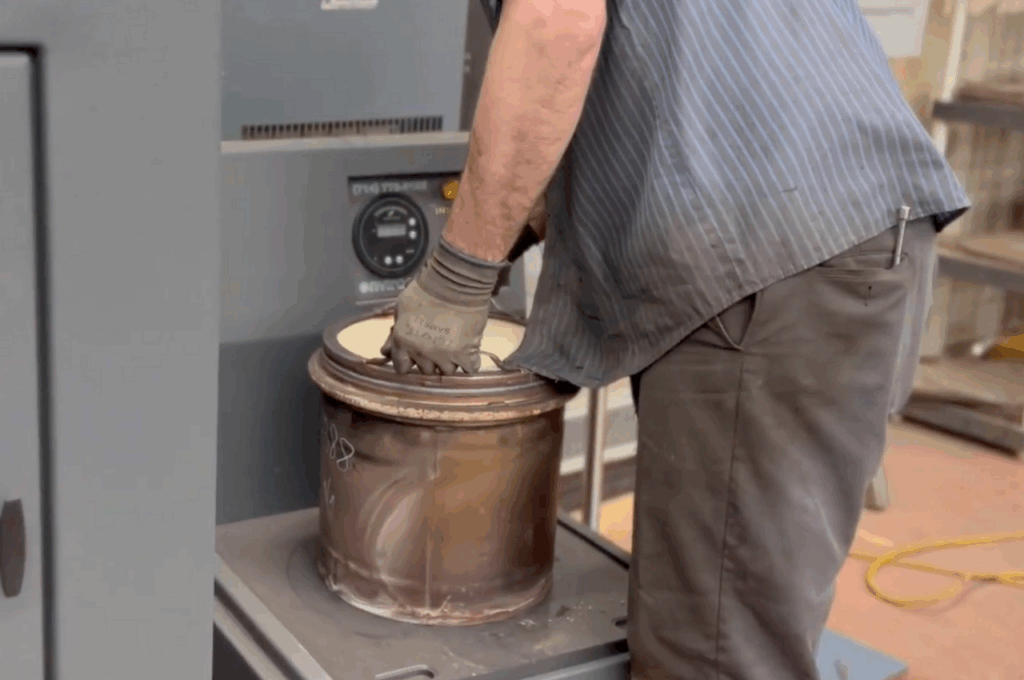
No! DPF cleaning is actually extremely cost-effective.
Regular cleanings help prevent costly breakdowns and fuel inefficiencies caused by clogged filters. As a result, this will save you more money in the long run.
At West End Rad we generally charge $200-400 for a DPF cleaning.
This is the fraction of the price of a new DPF filter! New filters are upwards of $2,000!
We also offer a discount when you bring in both your DPF and DOC for cleaning.
If you’d like to learn more about our DPF/DOC/SCR/EGR services, you can find the details here on our service page.
What is the easiest way to clean a DPF?
The easiest way to clean your DPF is removing it from your truck and/or machine and then bringing it into a service centre.
At West End Rad, we offer complimentary pick-up and deliver to and from any of our three locations in Winnipeg, Saskatoon, and Estevan.
Our complimentary pick-up and delivery service means we can restore your filter and have it back to you in just 1 business day.
Top DPF cleaning service in Canada
We are proud to clean DPFs, DOCs, SCRs and EGR for a fraction of the cost of purchasing new ones.
We can also clean filters of all shapes and sizes, including odd-shaped, light-duty or off-road.
Additionally, we carry a complete line of DPF and DOC aftermarket parts available for a wide range of OEMs.
Curious about what DPF cleaning services are available in Western Canada? Contact our team for more information.
Toll-free: 1-877-RAD-CORE (723-2673)
Winnipeg: 1-204-633-5648
Estevan: 1-306-634-2055
Saskatoon: 1-306-934-7005