Maintaining your back-up generator’s radiator is vital to ensuring your generator is ready when you need it.
That’s why in this blog, we’re answering 10 frequently asked questions about back-up generator radiator maintenance!

This post covers:
- What is the purpose of a radiator in a backup diesel generator?
- What industries rely on back-up genset radiator repairs?
- What are the most common causes of radiator failure in backup generators?
- How do I know if my genset’s rad is failing?
- Can a leaking generator radiator be repaired, or does it need to be replaced?
- Can a back-up generator radiator be repaired on-site, or do I need to bring it to a shop?
- How long does a generator radiator typically last?
- What preventative maintenance steps can extend the life of a backup generator radiator?
- What’s the biggest mistake people make with backup generator radiator maintenance?
- Who Repairs Back-Up Genset Radiators In Canada?
1. What is the purpose of a radiator in a backup diesel generator?

Every back-up generator relies on a cooling system.
Why?
Because without a cooling system, power generation equipment can overheat, shut down or fail entirely.
And for back-up diesel generators used by critical industries like oil & gas plants, power plants, hospitals, clinics and data centres, unexpected downtime isn’t an option.
2. What industries rely on back-up genset radiator repairs?

There are many different types of industries that rely on industrial generator cooling systems.
For example, the following industries rely heavily on properly maintained back-up generator radiators:
Healthcare Facilities
Buildings like hospitals and clinics need constant power to ensure their patients are properly taken care of. An unplanned power outage with a faulty hospital back-up generator radiator is a recipe for disaster.
Oil & Gas Plants
When an oil & gas back-up generator’s heat exchanger fails, operations like pumpjacks, pump stations and/or compressor stations are suddenly at risk. Without proper maintenance, leaky genset radiators can cost companies thousands of dollars.
Power Plants
Power plants depend on emergency systems to support essential controls and safety infrastructure during unexpected events. Therefore, maintaining a power plant back-up generator radiator helps ensure your genset can work properly.
IT/AI & Data Centres
Data centres process, store, and distribute massive amounts of data. As a result, any unexpected time or issues with a data centre’s back-up genset radiator can cause irreversible data loss and service interruptions.
Manufacturing & Industrial Plants
Without industrial back-up generator radiators, manufacturing and industrial plants are at risk of dangerous situations, equipment damage and costly production downtime.
Cold Food Storage Facilities
A cold food storage facility’s back-up generator is the difference between protecting inventory and losing thousands of dollars in spoiled products. That’s why maintaining a reliable cold food storage back-up generator radiator is critical to keeping temperatures stable during unexpected outages.
Hospitality & Resorts
In order to ensure guests are safe and comfortable, resort back-up generators must always be in good shape. A properly maintained hospitality back-up generator radiator helps ensure your generator performs seamlessly when an outage happens.
Snowboard & Ski Resorts
To prevent guests from being stranded on lifts, snowboard and ski resorts rely on dependable emergency power systems. A well-maintained ski resort back-up generator radiator supports consistent power delivery when winter storms cause unexpected outages.
3. What are the most common causes of radiator failure in backup generators?

There are generally three common reasons why your industrial generator’s rad is failing:
1. Lack of Generator Use
2. Internal Rusting
3. Contamination From Improper Fluid Levels
Want to learn more about how these factors can cause your back-up generator’s radiator to fail? Check out our blog “Three Reasons Why Your Pump Station’s Generator is Leaking”

4. How do I know if my genset’s rad is failing?
Here are 3 signs to look out for if you think your diesel back-up generator radiator is failing:
- Overheating
- Coolant leaks
- Visible corrosion
If you notice these issues, it’s time to reach out to a trusted company (like West End Rad!) that can help put a stop to your leaky genset!
We have locations in Winnipeg, Saskatoon and Estevan, as well as a mobile team that can travel across Canada to fix your back-up generator heat exchanger!
5. Can a leaking generator radiator be repaired, or does it need to be replaced?
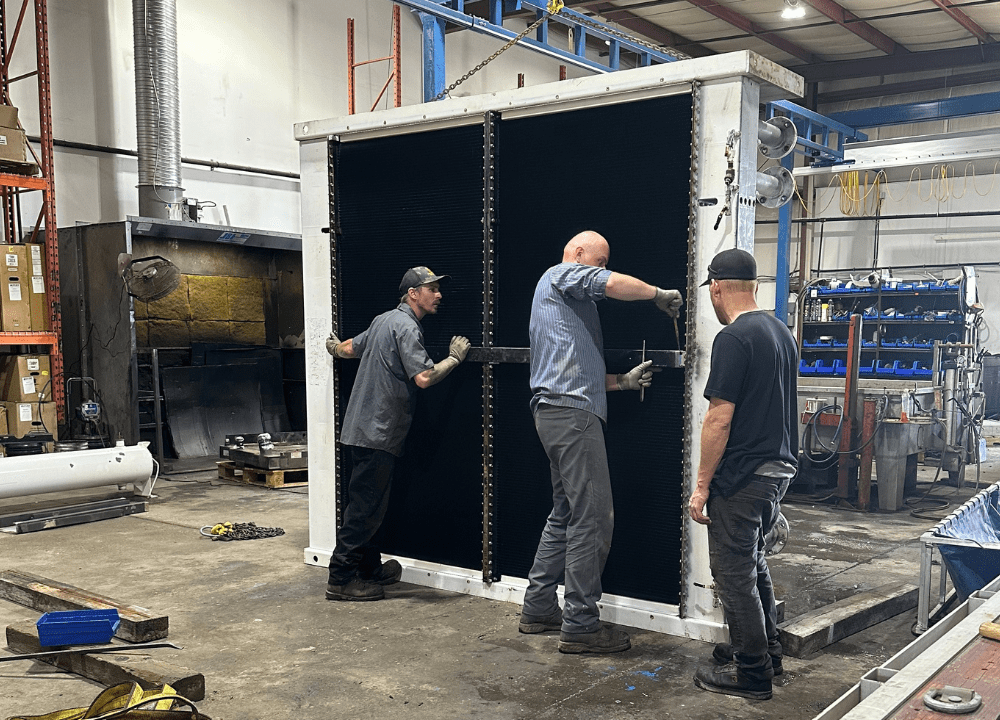
A leaky genset radiator can be repaired!
If you notice your industrial back-up generator leaking, it’s best to contact a certified contractor that can come to your job site to check it out.
From there, certified back-up generator repair companies (like West End Rad!) can help determine the best route of action for repairing your genset, ensuring it will last longer before you need to replace it.
6. Can a back-up generator radiator be repaired on-site, or do I need to bring it to a shop?

Typically, you need to bring a genset rad to a shop in order to repair it.
However, at West End Rad, our mobile service can travel to assess your generator radiator on-site, and then bring it back to one of our shops ourselves to repair it.
What if you need an entirely new core?
We can custom manufacture one at our Winnipeg manufacturing plants, and return to your location with our safety-certified technicians to install it on site!
7. How long does a generator radiator typically last?
Generally, you can count on your genset’s radiator lasting anywhere from 5-10 years, depending on:
- How often the radiator is used
- What environment the back-up generator operates in
- The quality of the genset’s radiator
- How regularly the backup generator rad gets maintenance done.
That said, lifespan isn’t fixed. There are a few easy steps you can take to ensure your diesel back-up generator’s radiator stays in top shape.
8. What preventative maintenance steps can extend the life of a backup generator radiator?
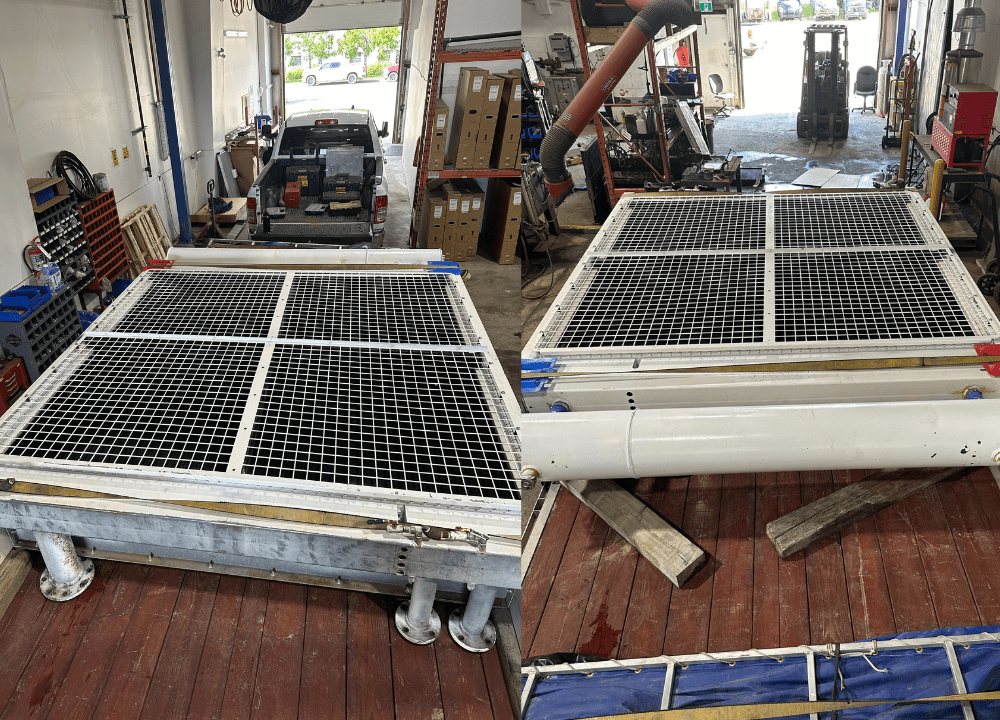
There are a few ways to help extend the life of your industrial genset’s radiator:
1. Test and Maintain Coolant Quality
Over time, coolant breaks down and loses its protective properties. Therefore, regular coolant testing helps you monitor pH levels and contamination.
2. Inspect for Leaks and Corrosion
During routine maintenance, check for visible leaks and signs of rust or scaling. By catching small issues early, you can prevent them from turning into costly failures.
3. Custom aluminum coolant reservoirs

Our aluminum coolant reservoirs provide extra room for coolant to help your back-up generator maintain proper fluid levels. Also, the aluminum reservoirs are more resistant to cracks compared to their plastic OEM counterparts.
Our mobile service team can visit your site to take precise measurements of the existing genset heat exchanger to ensure these custom reservoirs fit exactly as they should.
9. What’s the biggest mistake people make with backup generator radiator maintenance?
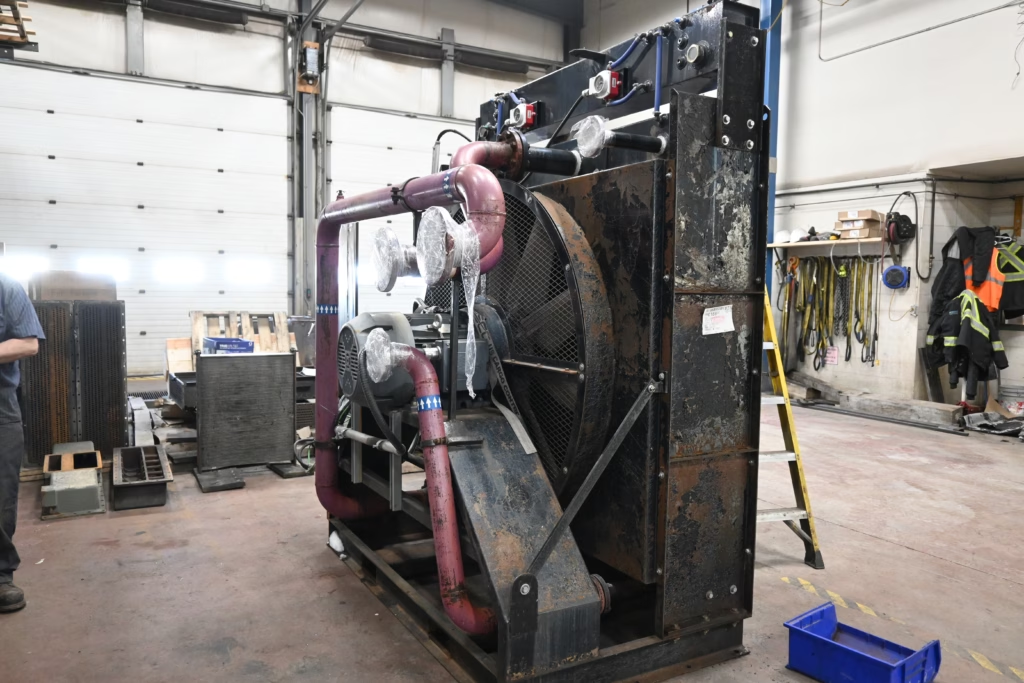
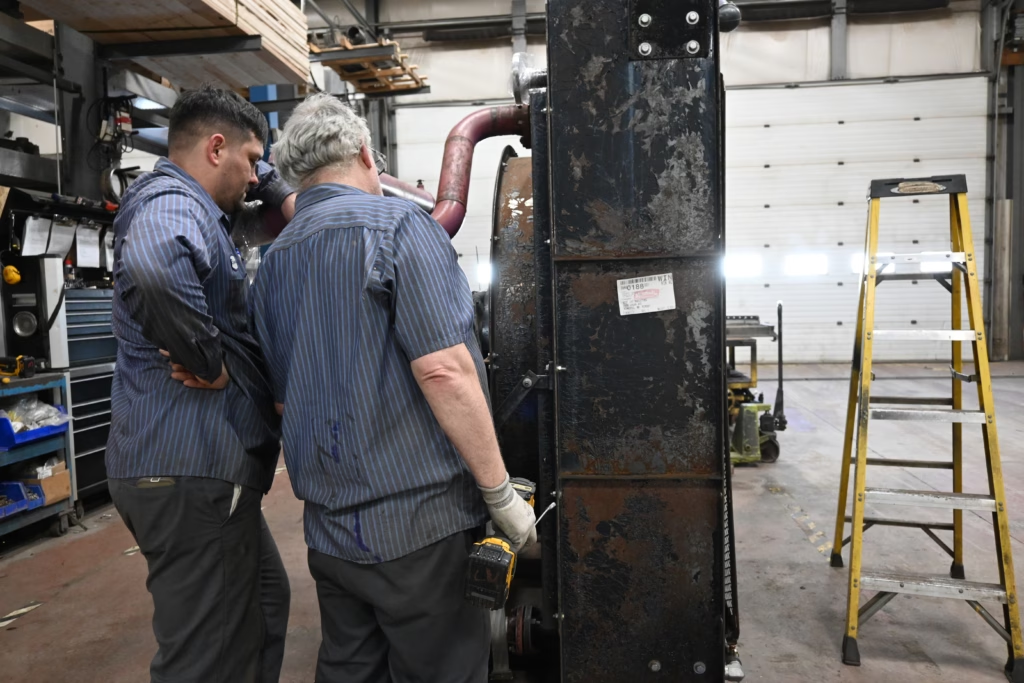
The biggest mistake you can make with your genset? Treating its radiator as an afterthought.
Because diesel backup generators only run during outages, many people assume the cooling system is “fine” if the unit hasn’t been used. In reality, sitting idle is exactly what causes coolant breakdown, internal corrosion and leaks.
Ultimately, waiting until there’s an overheating issue during an outage is far more costly than maintaining the radiator proactively.
10. Who Repairs Back-Up Genset Radiators In Canada?
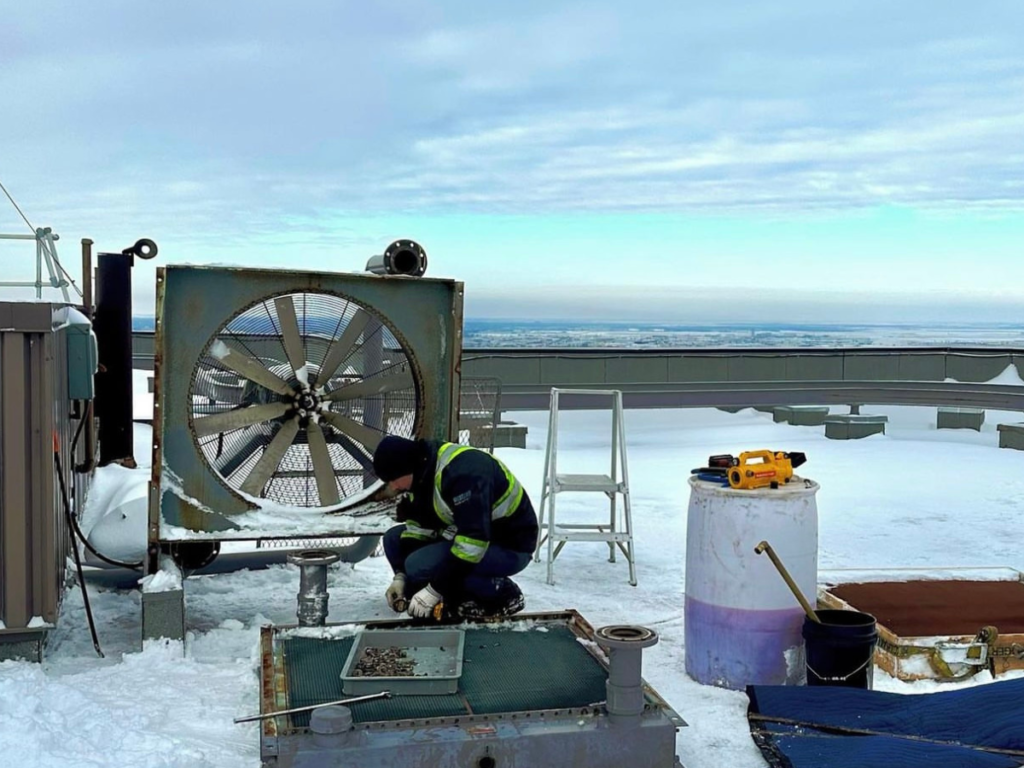
Our mobile repair service travels across Canada to fix back-up generator heat exchangers. No matter your industry, we specialize in repairing genset radiators for all heavy-duty OEMs. Including, but not limited to, Cat, Cummins, Onan, Detroit and Perkins.
Additionally, our shop technicians are safety-certified with ComplyWorks, ISN and Ledcore. Meaning we’re able to get to work right away, providing expert heat exchanger repairs without the wait.
Do your back-up generators need servicing? Contact our team with these numbers and tell us more about your genset.
Toll-free: 1-877-RAD-CORE (723-2673)
Winnipeg: 1-204-633-5648
Estevan: 1-306-634-2055
Saskatoon: 1-306-934-7005